Welcome to your safe space

A walk in nature: A Path to Wellness
2/6/20267 min read
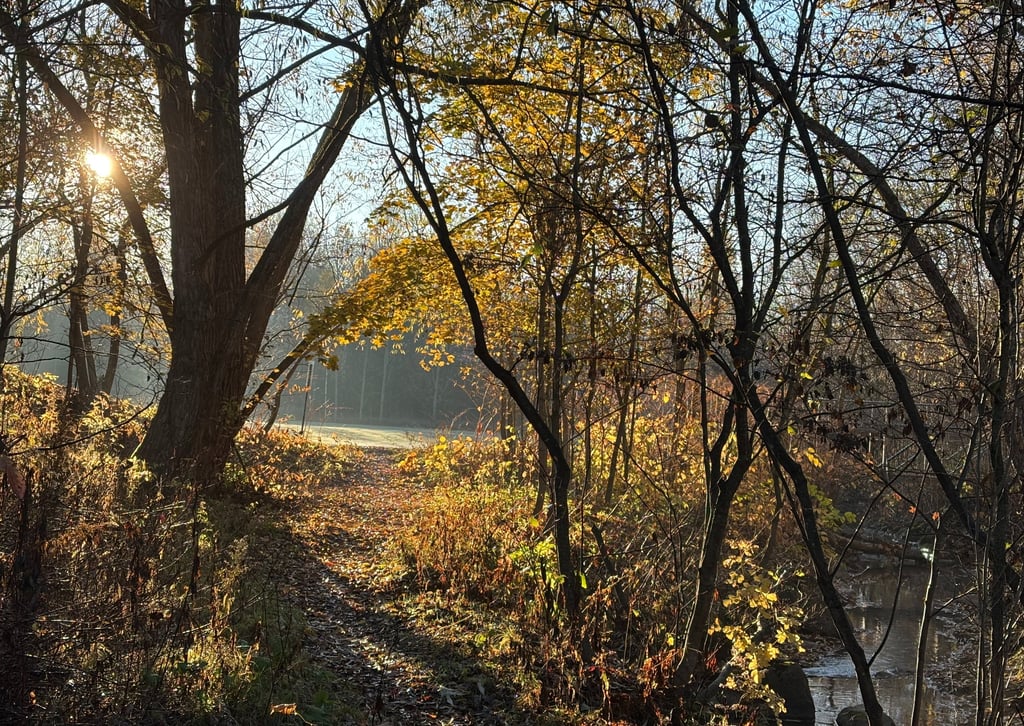
A Walk in Nature: Benefits Beyond Movement
Walking in nature offers measurable benefits for both mental and physical health. It has been shown to reduce stress, improve focus, and boost mood. Research shows that spending as little as 20 minutes in a natural setting can enhance concentration, boost mood and improve overall cognitive functioning. If spending 20 minutes in nature each day feels unattainable, aiming for a single two-hour outing per week can still provide meaningful benefits. Your parasympathetic nervous system will thank you.
The act of walking outdoors provides more than just exercise; it promotes mental restoration that indoor activities cannot fully replicate. Exposure to green spaces supports emotional resilience and reduces anxiety, contributing to overall well-being and allowing people with reduced mobility to experience these benefits as well.
Research confirms these effects apply to a wide range of people, making nature walks a simple, accessible way to improve health. Whether alone or with others, spending time in parks or forests can lead to stronger immune responses and greater mental clarity.
Did you know that an increasing number of healthcare professionals are now prescribing walks in nature to their patients?
Physical Health Benefits
Walking in nature supports physical health through improved heart function, stronger immunity, and increased endurance. These specific advantages contribute to better daily energy levels and overall fitness.
Improved cardiovascular health
Walking in natural environments supports cardiovascular health through multiple physiological and behavioral mechanisms. As a moderate aerobic activity, it strengthens the heart muscle, improves circulation, and enhances the heart’s ability to pump blood efficiently, which can lower resting heart rate and reduce cardiovascular stress over time. Research also indicates that walking in nature is associated with reductions of blood pressure, potentially due to improved vascular function and the stress-reducing effects of natural settings.
Additionally, walking in nature has been linked to improved heart rate variability, an indicator of autonomic nervous system balance and cardiovascular resilience. Natural environments may also encourage longer and more frequent physical activity, supporting sustained exercise habits. Together, these effects contribute to improved cholesterol levels, better blood sugar regulation, healthier body weight, and a reduced risk of cardiovascular disease and stroke.
Enhanced immune function
Spending time in nature exposes the body to diverse microbes that strengthen the immune system. Research indicates that these exposures can increase the production and activity of white blood cells, essential for fighting infections.
In addition, time outdoors has been linked to lower levels of inflammation and improved resistance to common illnesses. Natural light regulates vitamin D synthesis, which plays a critical role in immunity. These factors combine to create a stronger, more responsive defense against pathogens.
Boosted energy and stamina
Walking in natural settings encourages deeper breathing and increased oxygen intake, which enhances energy levels. The varied terrain also strengthens muscles and improves endurance by engaging multiple muscle groups.
Regular nature walks build stamina by improving lung capacity and cardiovascular efficiency. Unlike indoor exercise, the changing scenery and fresh air contribute to reduced fatigue and a greater sense of vitality. This leads to longer-lasting physical activity without excessive tiredness.
Mental and emotional well-being as well as stress reduction
Walking in nature offers measurable benefits for mental and emotional health. It promotes relaxation, stabilizes mood, and eases symptoms of anxiety and depression. These effects come from the combination of natural surroundings, physical activity, and sensory engagement.
Nature walks help lower stress by decreasing cortisol levels and calming the nervous system. Exposure to green spaces encourages a state of relaxation, reducing muscle tension and heart rate. Visual elements like trees and water have a soothing effect on the brain, which may restore mental energy that is depleted by daily stressors.
The quiet of natural environments also minimizes sensory overload often found in urban settings. This quietness allows the mind to recover and enhances emotional regulation. Regular time spent walking in natural environments is linked to sustained reductions in perceived stress.
Enhanced mood and happiness: Decreased anxiety and depression
Spending time in natural settings improves mood through increased serotonin and dopamine activity. This leads to feelings of contentment and well-being. Even short walks in nature can elevate mood better than indoor exercise or urban streets.
The sensory stimulation, such as fresh air, sunlight, and natural sounds, boosts positive emotions. Nature provides opportunities for mindful attention, which encourages gratitude and a break from rumination. Such experiences foster emotional resilience and increase overall happiness.
Nature walks serve as a low-cost intervention for reducing symptoms of anxiety and depression. They help restore attention and cognitive focus, often impaired by these conditions. Studies show participants who walk in natural settings perform better on memory tests and report lower anxiety levels.
The mental fatigue commonly linked to depression improves with regular exposure to green spaces. Natural environments support emotional processing and reduce feelings of isolation. Incorporating nature walks into treatment plans can complement traditional therapies effectively.
Cognitive Advantages
Spending time in natural environments has measurable effects on brain function. It can enhance attention, memory recall, and mental flexibility. These cognitive changes support improved daily functioning and problem-solving capabilities.
Improved concentration and memory
Research shows that even short walks in nature significantly boost concentration. This happens because natural settings reduce mental fatigue and distractions common in urban environments. Memory retention also improves after nature exposure.
Studies indicate that children with ADHD experience improved focus after spending 20 minutes outdoors. For adults, exposure to nature supports working memory by increasing blood flow to brain areas responsible for attention control.
Increased creativity and problem-solving
Nature exposure enhances creative thinking by promoting cognitive flexibility, which is the brain's ability to switch between different concepts and ideas. This flexibility leads to more effective problem-solving strategies.
A walk in a natural setting encourages the brain to process information differently, often leading to novel solutions for complex tasks. This effect is stronger than the benefits from exercise alone.
Studies highlight that immersive natural experiences activate brain regions associated with divergent thinking, which directly supports creativity. This makes nature an effective environment for tasks requiring innovative ideas or critical thinking.
Connection with nature
Spending time in natural settings provides measurable benefits to mental and emotional balance. It helps regulate internal states and encourages focused awareness on immediate experience.
Deepened sense of calm
Walking outdoors, especially in green spaces, reduces cortisol levels, a hormone linked to stress. This biological effect promotes a natural state of relaxation that is often absent in urban or indoor environments. The sounds, sights, and smells of nature engage senses in a way that slows down the mind, encouraging a calm state.
Exposure to nature also fosters feelings of being part of something larger, which can reduce feelings of isolation and anxiety. This broader perspective tends to quiet internal mental chatter, making it easier to manage stress and emotional tension.
Increased mindfulness
Nature encourages presence by grounding attention on simple, immediate stimuli such as bird calls, rustling leaves, or the texture of bark. This enhances mindfulness, the practice of observing the present moment without judgment.
By removing common distractions like phones or screens, walking in natural environments allows individuals to fully engage with their surroundings. This focused attention sharpens mental clarity and can increase creativity and problem-solving abilities. The deliberate awareness cultivated during these walks makes it easier to maintain a mindful attitude in daily life.
Practical Tips for Maximizing Benefits
Maximizing the benefits of a walk in nature depends on where one walks and how consistently it becomes part of a daily routine. Thoughtful choices about the location can enhance mental and physical outcomes. Regular scheduling helps maintain the positive effects over time. Regular scheduling helps maintain the positive effects over time. Remember that if 20 minutes daily feels unattainable, aiming for two hours weekly is a good alternative.
Choosing the Right Location
Selecting a location with natural elements is key. Parks, hiking trails, or areas with trees and greenery provide more restorative benefits than urban streets. Access to green spaces encourages deeper relaxation and mental clarity.
He or she should avoid crowded or noisy places to reduce distractions. Even small areas, like a quiet garden or tree-lined street, can be effective if solitude and calm are maintained.
A simple checklist to consider:
Presence of trees and plants
Minimal traffic and noise
Safety and accessibility
Opportunities for varied terrain, if possible
These factors support physical activity and foster emotional resilience.
Incorporating Walks Into Routine
Consistency is vital for lasting benefits. Scheduling walks at set times—such as morning or lunch breaks—builds habit. Integrating nature walks into daily life is easier with intentional planning.
To promote focus, it helps to leave electronic devices behind or silence them. This minimizes interruptions and allows full immersion in the surroundings.
Some practical strategies include:
Setting reminders or alarms
Combining walks with errands or social time
Wearing comfortable shoes and appropriate clothing
Starting small, such as 10-minute walks, increasing gradually
Consistency enhances wellbeing through repeated exposure to the natural environment.
Conclusion
Walking in nature supports both physical and mental health. It enhances cardiovascular fitness while also reducing stress and improving mood.
Frequent nature walks contribute to better focus and cognitive function. This is particularly beneficial for children and adults in school or work environments.
The activity encourages social connection and a sense of belonging in natural settings. It promotes kindness and cooperation among those who share the experience.
Nature walks are accessible and cost-effective. They offer a practical way to integrate exercise and mental restoration into daily life.
If walking isn’t an option, simply spending time in a green space, sitting, observing, or relaxing can still provide important health benefits. Exposure to nature has been shown to lower cortisol (stress hormones) which may reduce inflammation, decrease heart rate, and lessen overall stress on the cardiovascular system. Remember that spending time in green spaces cultivates mindfulness and emotional balance.
If you’d like to explore this topic further, here is a list of books you might enjoy.
Mindful Walking: The Secret Language of Nature by Alice Peck https://amzn.to/4q2s197
Walking with the Seasons: The wonder of being in step with nature by Alice Peck https://amzn.to/3NVPzz4
The Wisdom of Walking in Nature: 50 Mindful and Therapeutic Ways to Enjoy Any Walk by Alison Davies https://amzn.to/4c0g8Nz
Wild Walking: A Guide to Forest Bathing through the Seasons by Melanie Choukas-Bradley https://amzn.to/3Z6SDec
Nature Walking for Wellness: Activities & Assessments for a Healthier You by Dr Heather R Porter (author) and Cary E Porter (illustrator) https://amzn.to/4brrWIu
Connect
Join our community for mindful living.
BREATHE Inspire TRANFORM
info@bloomingmindbody.com
The information on this website is for educational and inspirational purposes only and is not intended as medical, psychological, or professional advice.
Affiliate Disclosure: Some of the links on this website are Amazon affiliate links. This means that, at no additional cost to you, I may earn a commission if you click through and make a purchase. Thank you for choosing to purchase through these links. Your support helps keep this website running.
© 2026. All rights reserved.